Speaker.
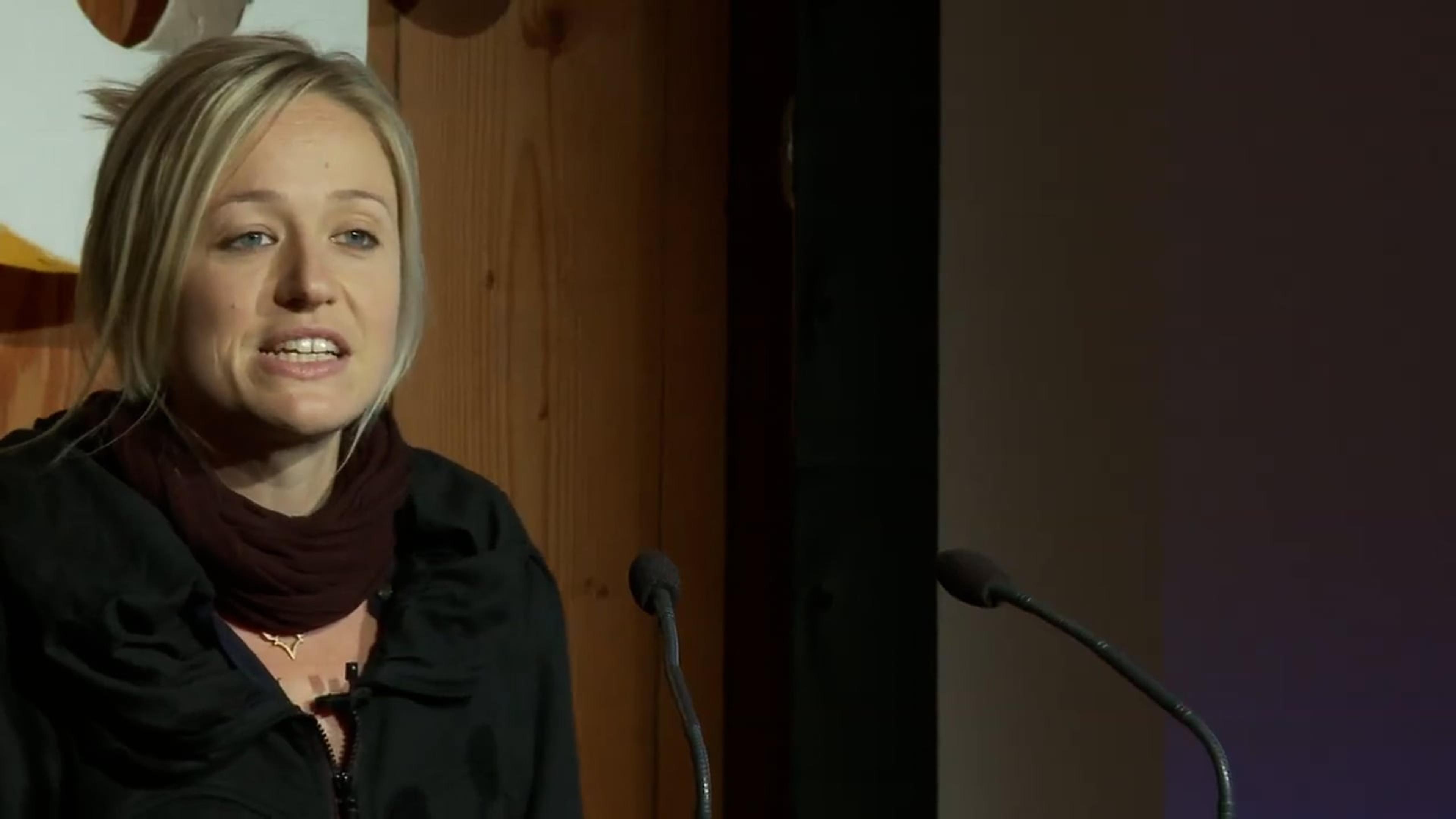
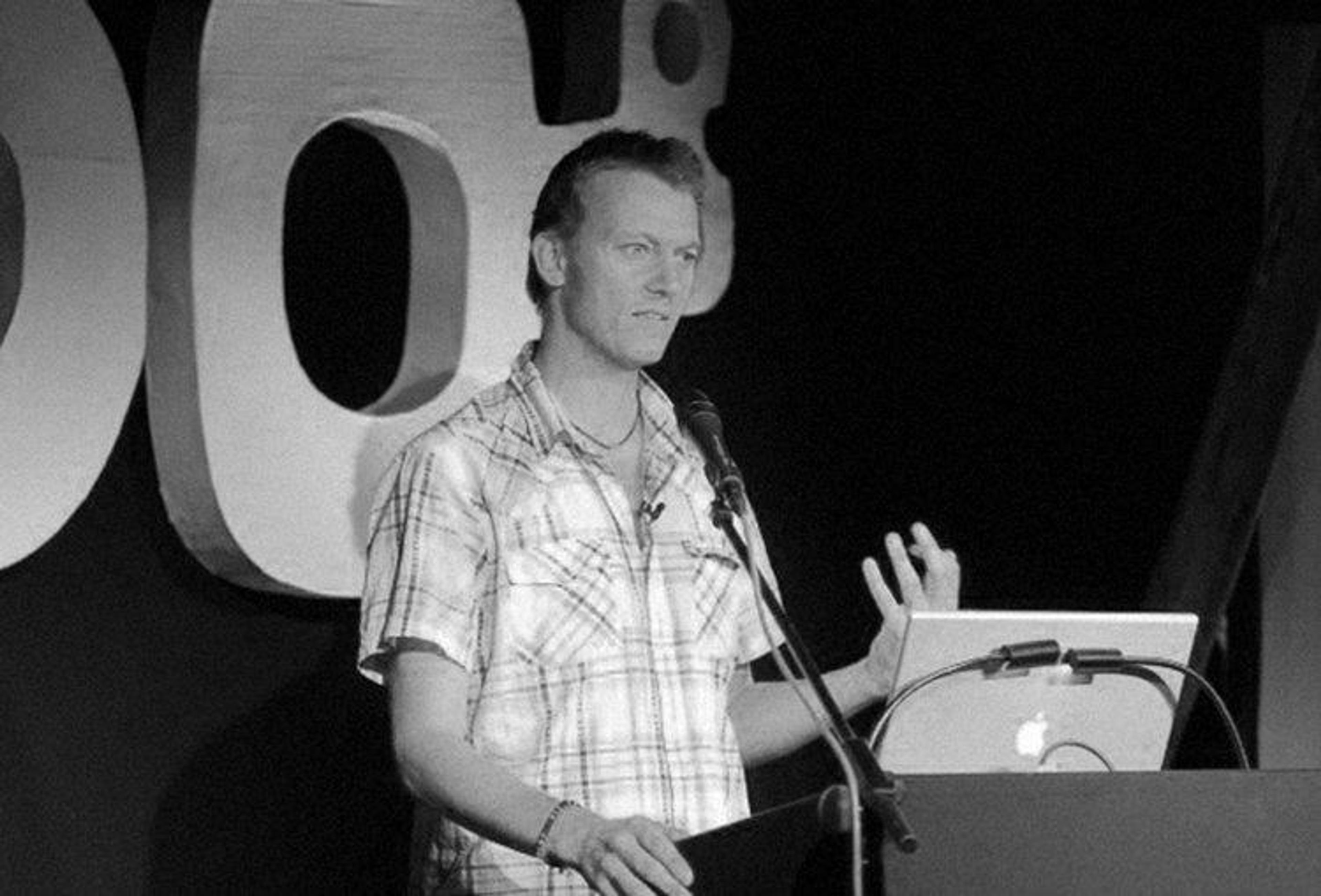
Paul Chatterton
Human Geographer
Requires Flash Player 9.0 or above to view video.
Profile:
Paul Chatterton teaches in the School of Geography at the University of Leeds where he and researches and teaches on: international protest movements mainly looking at the popular uprising in Argentina since 2001 and the Zapatistas autonomous communities of Mexico; the ways in which city centres are increasingly becoming privatised and corporatised; and alternative models of development focusing on self-management.
At the university, he is co-managing a grant funded by the Economic and Social Research Council (see www.autonomousgeographies.org) which explores the ways in which social activists and community groups are developing self-managed models for organising social and economic life beyond the welfare state. He is also working on a collaborative research project entitled ‘Who runs Cities?’ (see www.whorunsleeds.org.uk) which promotes citizen engagement in urban governance.
His recent publications include: a guide to the autonomous Argentinian social movements (http://www.geog.leeds.ac.uk/publications/TakingBackControl) and an activist handbook collaboratively written with the popular education collective Trapese published by Pluto Press called ‘Do It Yourself: A handbook for changing our world’ (see www.handbookforchange.org ).
Paul is also course director of a new Masters Programme at the University of Leeds called ‘Activism and Social Change’ (see www.activismsocialchange.org.uk). He is one of the founders of the Common Place social centre in Leeds (www.thecommonplace.org.uk), and is currently helping to start up an eco-village in Leeds.
What I'm talking about:
Everyday, everywhere, through spontaneous and planned actions, people are changing the world, together. These everyday actions come from the growing desire to do it ourselves – planting vegetables, organising a community day to get people involved in improving where we live, exposing exploitative firms, taking responsibility for our health, making cups of tea in a social centre, figuring out how to install a shower powered by the sun, making a banner, supporting strikers, pulling a prank to make someone laugh, as well as think.
A whole range of groups from the Camp for Climate Action to No Borders and Social Centres are showing how people can take back control and organise to create a more just and sustainable world.
This talk is about this kind of DIY politics: a call to get involved in practical action and reflection to create more sustainable and fairer ways of living. It is based on the recent book called ‘DIY: a handbook for changing our world’ which I co-wrote with the Trapese Popular Education Collective.
The book is part handbook, part critique, and is designed to inform, inspire and enable people to take part in a growing movement for social change – which means you, the person sitting next to you on the train, your neighbour, your mother, your children. It is us that can make these changes and it is us that are going to have to. This book explores nine different themes where people are struggling to wrestle back control and build more equitable and just societies - sustainable living, decision making, health, education, food, cultural activism, free spaces, media and direct action.
The talk will present the main ideas in the book, offer some concrete advice for how you can get involved in the growing grassroots movement for change, and look at some of the pitfalls, critiques and ways forward.
Comments:
Post comment
Share this video
Embed this video:
Link to this lecture:
Send to a friend
Send your friend an email about this lecture:
My Brainfood
Websites
- Trapese
- ‘Taking Radical Action through Popular Education and Sustainable Everything!’ Trapese is a Popular Education Collective
- Autonomous Geographies
- Two year action research project run jointly by geographers at the University of Leeds and the University of Leicester
- Seeds for change
- Non-profit coop providing training and resources to grassroots campaigners, NGOs, Co-ops and other community groups and organisations in the social sector
- UK Social Centres Network
- A portal to radical social centres and autonomous spaces around the UK
- Indymedia UK
- A network of individuals, independent and alternative media activists and organisations, offering grassroots, non-corporate, non-commercial coverage of important social and political issues
- Corporate Watch
- Critical research into corporations and support for groups challenging the corporate take over
Books
- Anti Capitalism: A Beginners Guide
- Who exactly are the anti-capitalists and what do they want?ISBN: 1851683429
- Days of War, Nights of Love: Crimethink for Beginners
- A collection of essays from a group of social thinkers, philosophers and commentators, which has the feel of an underground zine or art student political rag mag.ISBN: 097091010X
- Hope in the Dark, Untold Stories
- Tracing a history of activism and social change over the past five decadesISBN: 1560255773
- Change the World Without Taking Power
- A text ofcontemporary Autonomist MarxismISBN: 0745324665
- Do It Yourself: A Handbook for Changing our World
- Covers everything from setting up a community garden to taking direct action, alternative media to why we are what we eatISBN: 978-0-7453-2637-5
Organisations
- Transition Town Network
- The transition model emboldens communities to look peak oil and climate change squarely in the eye and unleash the collective genius of their own people to find the answers
- Social Centre Network
- Provides a portal to radical social centres and autonomous spaces around the UK
- No Borders Network
- Freedom of movement and equal rights for all
- Permaculture Association
- The Association is an educational charity run by its members and helps people use permaculture in their everyday lives to improve their quality of life and the environment around them
Paul this sounds great, I'm just starting a project working with a group of social workers and people using social services. We're looking at a how to effectively engage, inspire and change services for the best to respond to the needs of those using services; the challenge so far seems to be how to engage the hearts and minds of over stretched staff and convince them that change is worth the effort. Can't wait to hear what you have to say.